Table Of Content

Early mammals might have also had a parietal ventral somatosensory area, PV, which has been described in a number of mammalian species, but not in enough clades to provide clear evidence for its presence in early mammals. PV, just rostral to S2, represents the contralateral body surface as a mirror image of S2. A taste or gustatory (G) region of cortex just ventral or adjacent to S2 (Fig. 1) may be part of the basic plan, but there is little comparative evidence. For example, in ferret, the contiguous ISVZ and OSVZ contain similar proportions of progenitor cell types (~40% PAX6-positive cells and 45%–50% TBR2-positive cells) and are distinguished mainly by their cell density (Fietz et al., 2010; Reillo et al., 2010). By contrast, the human ISVZ consists mainly of TBR2-positive IP cells, with a limited number of new oRG cells en route to the OSVZ, which is separated from the ISVZ by an inner fiber layer (Smart et al., 2002; Bayatti et al., 2008; Hansen et al., 2010). The next challenge will be to apply this information to the cellular mechanisms in our evolving understanding of fetal brain development, particularly that of OSVZ proliferation.
Layers
How do we know consciousness is intimately tied to learning? - ResearchGate
How do we know consciousness is intimately tied to learning?.
Posted: Tue, 12 Mar 2024 07:00:00 GMT [source]
However, RG cells in this mutant eventually differentiate in excess to overproduce neurons and IP cells, resulting in the tangential expansion of frontal areas and increased laminar thickness (Sahara and O’Leary, 2009). The RG signaling state is further complemented by signals from outside of the neuroepithelium. Mutant mice with disrupted meningeal development have increased self-renewing neuroepithelial divisions and decreased production of neurons and IP cells, resulting in a “gyrencephalic” appearance similar to that of the stabilized β-catenin mouse (Siegenthaler et al., 2009). This effect is rescued in vitro by meninges-derived conditioned media, suggesting the requirement of secreted factors from the meninges, most notably retinoic acid (RA), for normal neurogenesis.
Developmental mechanisms underlying the evolution of human cortical circuits
Heatmap of cPcdh transcripts in 188 individual neocortical excitatory neurons from 32 clones. The existence of individual cPcdh isoforms is indicated by the red or green coloured boxes, the colour reflects fluorescence labelling, and the expression level is indicated by the colour gradient. Note that the majority of neurons express multiple cPcdh isoforms from three Pcdh clusters (a, b, and g) and the C-type Pcdh isoforms (ac2 and gc5). The fossil record11,12 indicates that the proportion of the forebrain occupied by the neocortex in early mammals was small, while the olfactory structures, the olfactory bulb, and piriform cortex, were proportionately large (Fig. 1). As all or nearly all mammals have primary visual, auditory, and somatosensory fields,13 V1 and S1 were present.
Journal Meeting: From Stem Cells to Human Development
Advances in imaging and modeling technology increasingly have shed light on its many simultaneous roles. That research reveals its importance to adolescence through its links to memory and storage of information because those functions are important during adolescence (as they grow during that period), become anchors in adulthood, and play roles in common pathologies (such as autism and epilepsy). As a result of this research, the neocortex has become understood as being key to the understanding of the brain’s functions as well as part of the brain that holds promise for developing diagnostic and curative tools.
But if we take more biological approaches to that, we can make traditional AI systems much better. We’ve been able to take brain principles, things we’ve learned about selling the brain. Parts of our theory, not the entire theory, but parts of our theories, and apply it to existing AI systems existing artificial neural networks. “Hey, if it’s not working like a brain, it’s not going to be intelligent.” And the systems that we use these artificial neural networks are quite primitive.
(For discussion of the OSVZ as a site of human disease and its implications for cell-based therapeutics, please see the Supplemental Information and Hansen et al., 2011). So we’ve been able to take brain principles and accelerate that and improve that. And so many people really do want to build truly intelligent machines, ones we don’t have to make excuses for it and say, well, it really doesn’t understand what it’s doing. They're very good at mimicking things, but they really have no idea what they’re doing.
Par3, a component of the apical complex, is distributed asymmetrically during mitosis and may contribute to asymmetric sequestration of NUMB, an inhibitor of Notch signaling, at cell-cell junctions. The daughter cell with less Par3 has higher levels of active NUMB that inhibits Notch signal, resulting in neuronal differentiation. Inheritance of the basal fiber may also help to enforce Notch signaling in only one of the daughter cells. We also highlight how removal of LGN (GPSM2) shifts vertical cleavages toward more oblique/horizontal ones, resulting in the production of outer subventricular zone radial glia-like (oRG) cells. We hypothesize that development of the outer subventricular zone (OSVZ) results in dramatic remodeling of the migration scaffold, where fibers no longer span the apical and basal surfaces.
Evolution of cerebral cortex development

Second, loss- and gain-of-function studies in mice already recapitulate some of the features of human corticogenesis. Although it is unlikely that human evolution precisely recapitulated these changes at the molecular level, these results nevertheless highlight the types of pathways and mechanistic variations that could lead to formation of an OSVZ. (C) Transit amplification by IP cells is not taken into account, but ventricular RG (vRG) cells in the human are assumed to generate oRG cells by repeated rounds of asymmetric division. Once born, oRG cells divide repeatedly to generate one neuron per cell cycle.
Extended Data Fig. 9 PCDHγC3 overexpression leads to a lateral dispersion of sister and cousin excitatory neurons.
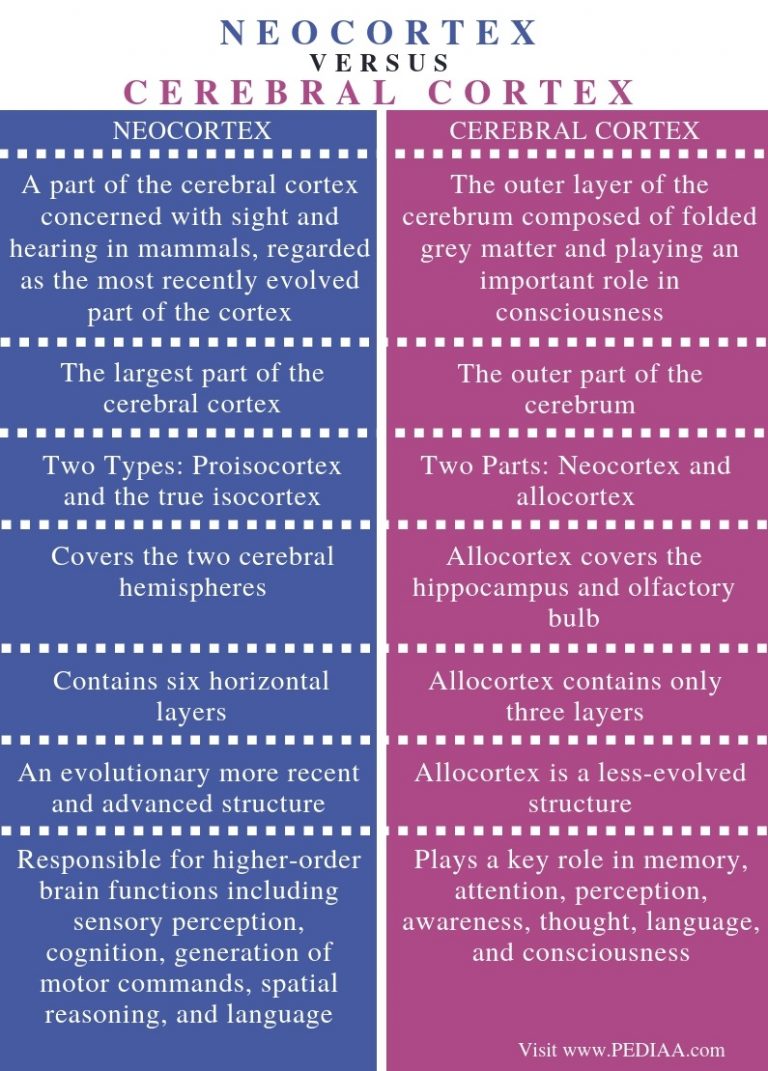
Which, as a scientist, if we want to understand how something works, this is a great, wonderful discovery, because we don’t have to think that each part of the neocortex is doing something completely different. Early works identified similarities between the patterns of connection between neuronal types in the dorsal cortex of reptiles and the neurons of the neocortex. Each layer is characterized by varying neuronal shapes, density, sizes, and organization of nerve fibers. The neocortex is arranged in cortical columns (vertical structures). The patches of neocortex have a diameter of around 0.5 mm. the cortical columns are neocortex’s functional units.
Mice ‘humanized’ at these two positions show improved synaptic plasticity in the lateral striatum and improved procedural learning. Collectively, these genomic screens illustrate a powerful new approach for identifying key genomic changes in the human lineages and for relating these back to developmental and physiological processes that distinguish the human brain. Structurally, the human neocortex is highly folded, whereas the mouse brain is smooth, and cortical areas are modified in human compared with mouse. Nenad Sestan (Yale University, New Haven, CT, USA) investigated the specification of deep layer corticospinal neurons in mouse and discovered remarkable homology between mammals and birds in a key gene regulatory network. Sestan demonstrated that a conserved non-coding regulatory enhancer drives the expression of Fezf2 in layer 5. Loss of this enhancer completely ablates corticospinal tract axons (Shim et al., 2012).
Changes in the mode of neurogenesis are responsible for the reduced cortex size in developmental brain disease, like microcephaly induced by Zika virus infection. In this case, activation of the unfolded protein response drives direct neurogenesis, leading to premature and limited neuron production and to a small cortex46–48. Further studies showed that, in the rodent, the vast majority of progenitor cells in the VZ have RG morphology and contact both the ventricular (apical) and pial (basal) surfaces of the neocortex (Hartfuss et al., 2001; Noctor et al., 2002). That RG cells were neuronal progenitor cells provided an explanation for the radial organization of the neocortex at a clonal level, with RG cells in the VZ forming an epithelial niche that gives rise to radial clones of excitatory neurons through repeated rounds of asymmetric division. This model also simplified the radial unit hypothesis, as the proliferative units were shown to be the same cells as the glial guides. Importantly, these data further suggested that evolutionary expansion of neocortical surface area could occur through expanding the RG founder population before the onset of neurogenesis (Figure 1A) (Rakic, 1995, 2009).
The neocortex is derived from the dorsal telencephalon in the rostral area of the forebrain. The neocortex is a Latin for “new rind” or “new bark.”The neocortex is a complex structure – dozens of cells, intricate connectivity patterns, and multiple layers. The majority of the cells in the brain are found in the cerebellum and neocortex. Cerebellum makes use of a lot of cells for coordinated movement while the neocortex uses cells for high precision in planning complex behavior and sensory discrimination. Areas of the neocortex that are particularly large in the human cortex (for example, prefrontal granular cortex or language-related Broca and Wernicke areas) are considered as analysers for integration of information from various sensory and motor areas. DNA sequences from extinct archaic humans provide another window into the actual events that occurred during human evolution.
The first factor is decreased blood supply to hair follicles, or ischemia, which causes a slow decrease in their function. One of the reasons amniotic tissue exosome cells are working to regenerate hair is that growth cell infiltration causes angiogenesis, which is a fancy name for re-growing blood vessels, or in this case, revascularizing the hair follicles. The other element of amniotic tissue is as a natural anti-inflammatory, which addresses the second cause of hair loss. A summary of the numbers of brains, brain slices/sections, clones or neurons in individual experiments. About 80% of the neurons in neocortex are excitatory and 20% are inhibitory.




No comments:
Post a Comment